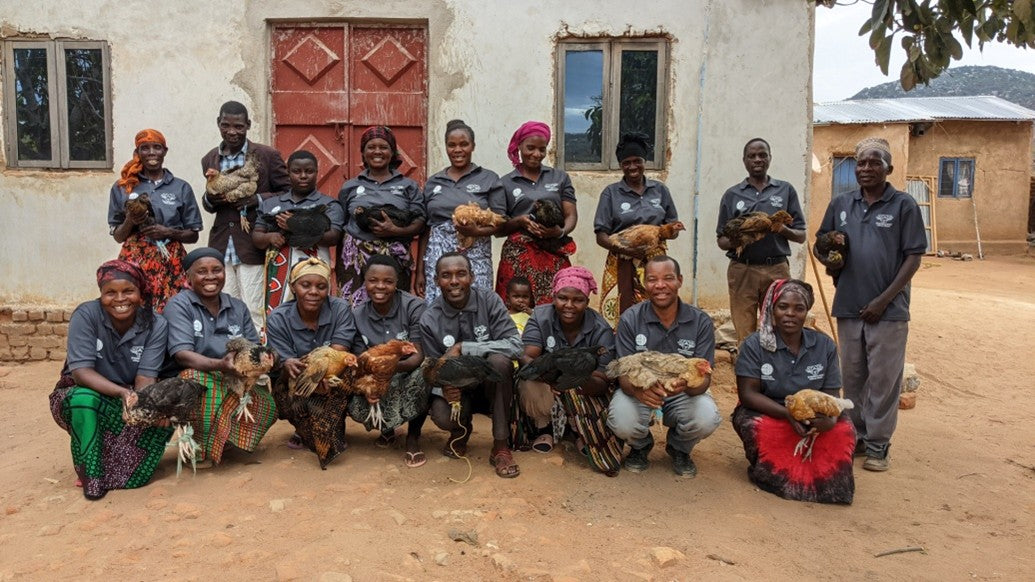
This project is in collaboration with Emmanuel International Tanzania (EITZ) and the Tanzania Assemblies of God.
Sustainable transformation happens when communities are empowered spiritually and economically. The project aims to educate communities across Tanzania about the significance of beekeeping, an under-explored income-generating activity. Meaningful change has been seen throughout Kayenze, Malya, Ngudu, and Kome Island, which encompasses Mchangani, Nyabintu, Nyamkolechiwa, Nyamiswi, and Buhama.
The mission is to improve livelihoods through environmentally friendly income-generating activities, equip families with the practical skills to turn beekeeping into a small business, and preach the Word of God.
Hear directly from Mr. Lawi from the Nyamiswi Group on how the project has improved his livelihood.
“I thank God and our Emmanuel International for the knowledge which they have given us on beekeeping. I have succeeded in making my own hives now. My family is enjoying the honey from our own hives.”
EITZ works closely with local government authorities and community leaders to build beehives in designated forest areas. The project combines practical beekeeping knowledge with biblical principles, encouraging communities to care for their environment while improving income and food security.
Hive Installation and Apiary Expansion
A major milestone was achieved with the installation of 300 beehives across four villages on Kome Island. Routine management activities have also continued in other villages, such as vegetation clearing around hives, pest inspections, hive maintenance, and monitoring of colony health.
Capacity Building and Training

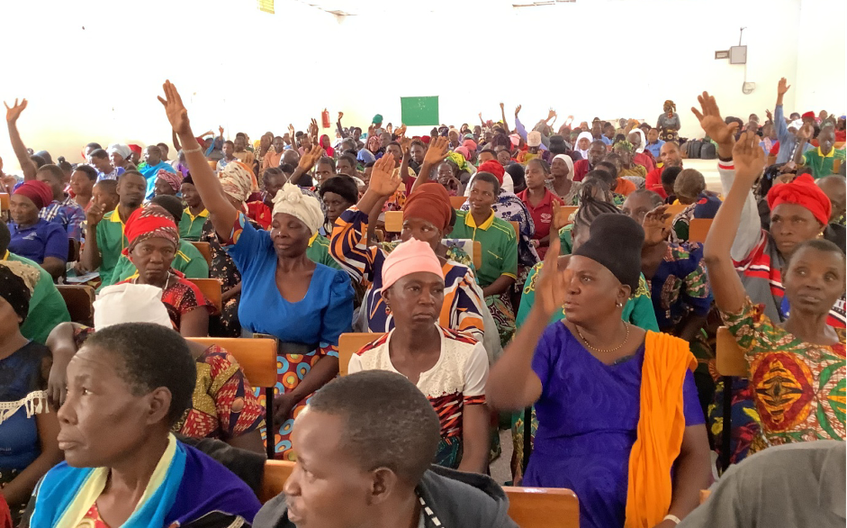
Here is a picture of beekeeping education and training.
Monthly training sessions equip beekeepers with skills in:
- Honey harvesting and processing
- Hive management
- Pest and disease control
- Wax and propolis processing
- Packaging and value addition
These training sessions have improved the confidence of local beekeepers and strengthened their technical capacity to manage colonies.
Honey Harvesting and Processing

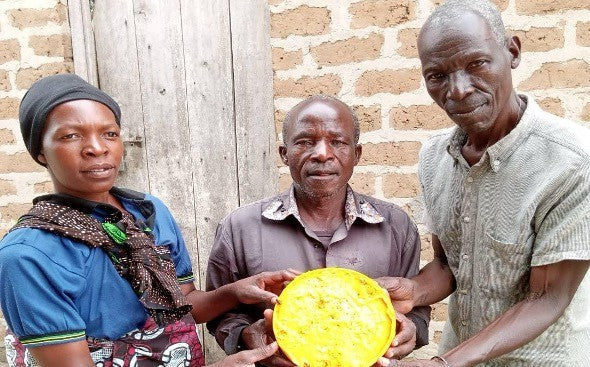
Communities have begun harvesting and processing honey. Some groups have also started marketing honey independently, improving their bargaining power, and opening opportunities for branding and value addition.
Here is a photo of honey being processed.
Monitoring and Evaluation
Environmental and Community Impact
Challenges Faced
- Low hive occupancy in some hives
- Climate variability affecting flowering season and nectar availability
- Pest infestations from ants and wax moths Bee absconding caused by environmental disturbances
- Limited participation among some group members
- Low motivation from newer beekeepers
Solutions and Ongoing Support
- Planting more nectar-rich flowering species near hives
- Relocating underperforming hives to areas with higher bee activity
- Conducting refresher training sessions on hive management and pest control
- Encouraging stronger group governance and regular meetings
- Introducing climate adaptation like hive shading and seasonal planning
- Supporting communities to explore financial opportunities and government loan programs
Looking Ahead
- Strengthening group leadership and governance structures
- Expanding participatory monitoring and evaluation systems
- Increasing member involvement in the planning and decision-making process
- Building a learning culture within groups
- Enhancing value addition and market access opportunities

Laisser un commentaire
Tous les commentaires sont modérés avant d'être publiés.
Ce site est protégé par hCaptcha, et la Politique de confidentialité et les Conditions de service de hCaptcha s’appliquent.