
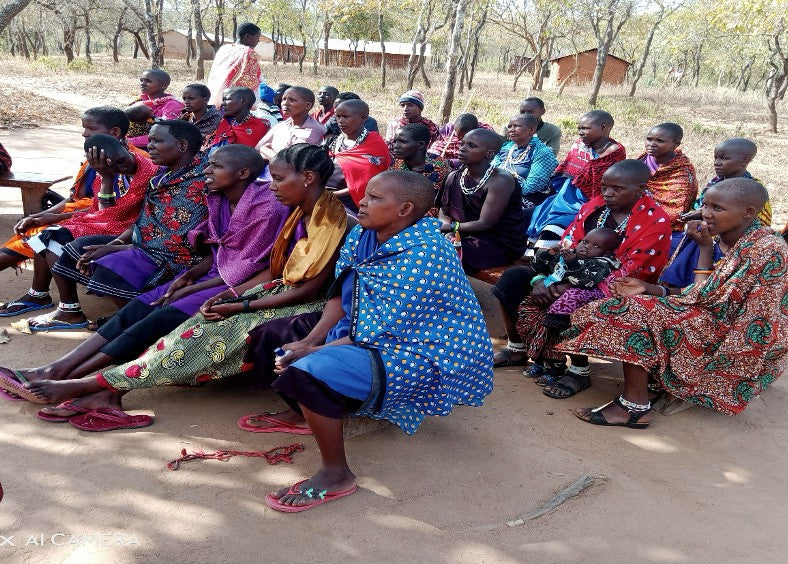
In the heart of the Western Tanga Region, rural communities are experiencing a profound transformation. The IMARIKA Tanga project is a dedicated effort to build up the environment, local livelihoods, and the structural foundation of the church.
Serving farming families across the Handeni and Kilindi districts, home to a combined population of over 500,000 people, IMARIKA addresses deep-rooted vulnerabilities. Following a rigorous baseline research effort that highlighted severe deficits in financial systems, agricultural techniques, and basic sanitation, the project introduced a comprehensive strategy using Village Community Banks (VICOBA), conservation agriculture, micro-enterprise training, and fundamental health education.
Empowering Families Financially through VICOBA
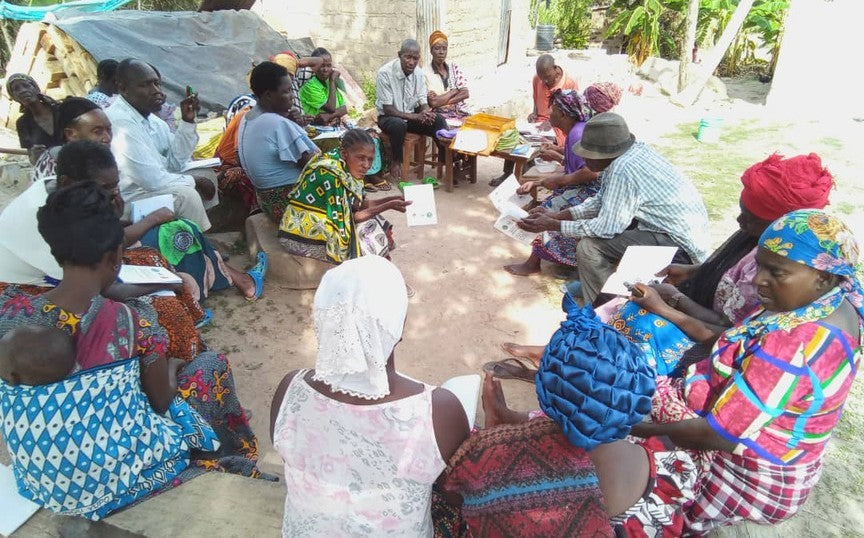
The core of IMARIKA's economic empowerment strategy is the Village Community Bank (VICOBA) model. In 2025, the project successfully cultivated and sustained 6 dynamic operational groups, mobilizing a total of 375 members (with 335 successfully completing the full 52-week calendar cycle).
By establishing a structured mechanism for weekly savings and peer-supported loans, these groups managed to build substantial community capital. Across the six groups, the financial metrics achieved by the end of December 2025 are a stunning testament to rural resilience and financial discipline.
These funds serve as a vital local safety net and investment pool, freeing members from predatory external lenders and providing them with direct resources to expand agriculture, absorb medical emergencies, and fund home improvements. Mama Debora from the region of Handeni shared her appreciation for VICOBA.
I thank the IMARIKA group for giving me a loan. With this support, I was able to buy timber and cement to build my new house.

Holistic Progress: Seminars, Agriculture, and Health Training
True community transformation requires more than economic capital; it also requires human capital development. Throughout 2025, IMARIKA executed strict, comprehensive training modules to address key community concerns:
- Agriculture Seminars: Four out of six project groups (encompassing 145 active members) received targeted training in sustainable, conservation-focused agricultural practices designed to bolster crop yields and ensure household food security despite volatile weather patterns.
- Entrepreneurship Education: Conducted in two intensive phases (February-March and May-June), these courses equipped 230 project participants with critical business fundamentals, helping farmers pivot into profitable micro-enterprises.
- Health & Sanitation Training: Addressing critical baseline findings regarding recurring preventable outbreaks; health seminars were conducted for 180 group members. Training heavily emphasized practical, high-impact hygiene habits, correct toilet construction, proper nutrition, and the crucial importance of breastfeeding.
- Spiritual & Leadership Discipleship: Grounded in its strong biblical foundation, the project provided regular Holistic Mission and Discipleship seminars. Over 313 participants from local TAG churches participated, strengthening church leadership and equipping local pastors to serve their communities effectively.
This is what James Jacob from the region of Msomera had to say about the training modules.
I thank the IMARIKA project for providing entrepreneurship education, which helped me start a small business. I now buy cows and goats from interior villages and bring them to the center of our village to sell at a higher price.
Navigating Challenges with Adaptive Strategies
Fieldwork in rural Tanzania presents dynamic environmental challenges. In 2025, the project’s goat farming imitative faced severe underperformance in the Kilindi District due to unfavorable climate conditions, leading to unstainable mortality rates.
Demonstrating exceptional field agility and stewardship, the Tanga field office conducted a strategic pivot, transitioning affected groups away from goat farming and introducing pig and sheep rearing, which are far better suited to the local ecology. Today, the project maintains an active livestock of five pigs, seven goats, and six sheep.

Najaeliter Peter discusses the pig project.
I thank the IMARIKA Taifa Tanga project for giving our group a pig project. I received a pig, and now it is ready to become pregnant. We expect the project to grow quickly and improve my family's standard of living.
Furthermore, widespread water scarcity and deep-rooted community skepticism initially threatened progress. In response, trainers intensified organizational awareness campaigns to build baseline trust, while ongoing discussions are currently underway with the EI Tanzania Director to assess the viability of implementing dedicated water supply initiatives directly under the Tanga office.
Looking Forward
Building upon the powerful momentum generated last year, the project has established aggressive, clear target goals:
- Expanding Geographical Footprint: Establishing two additional VICOBA and agricultural groups in entirely new villages within the region to scale up the number of direct beneficiaries
-
The IMIARIKA Taifa Tanga Expansion: Integrating two new strategic clusters into the broader transformative network
- Peer-Support Networks: Developing an interconnected accountability framework among neighboring VICOBA groups to foster self-guided long-term sustainability and knowledge sharing
How You Can Help
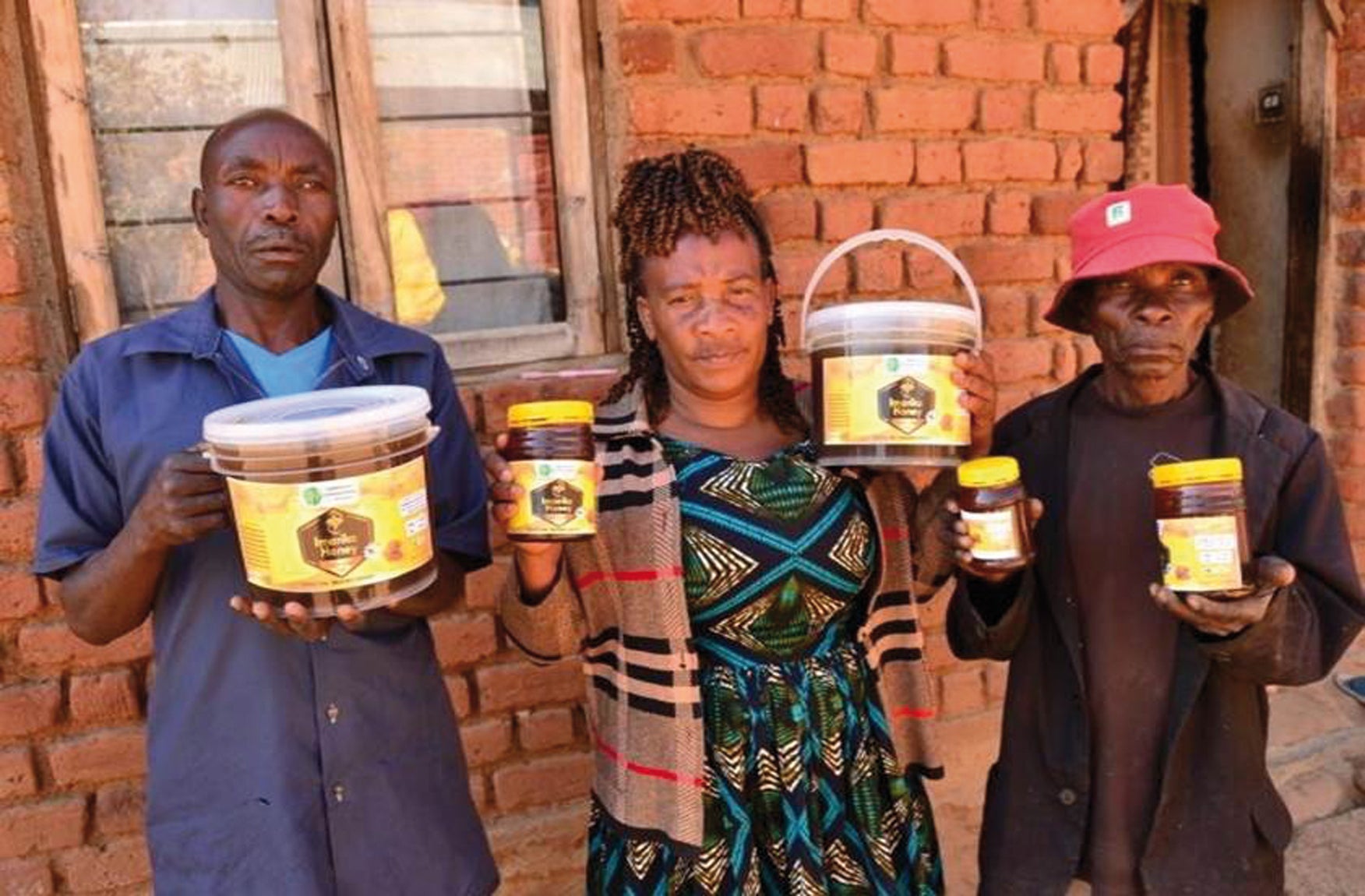
The incredible metrics and heartwarming testimonies are only possible through the regular prayer and generous financial support of our donor family. As we expand the IMARIKA project into new villages to tackle acute water and sanitation needs, your contributions directly change lives. Thank you for standing with the families of Handeni and Kilindi as they build a strengthened future.

Laisser un commentaire
Tous les commentaires sont modérés avant d'être publiés.
Ce site est protégé par hCaptcha, et la Politique de confidentialité et les Conditions de service de hCaptcha s’appliquent.