Communities in rural Tanzania are experiencing meaningful change through the Health for Development Project, a partnership with Emmanuel International Tanzania and the Pentecostal Holiness Mission Church. The project aims to improve health awareness, strengthen livelihoods, and empower families across villages in the Kilolo District and Iringa Rural.
The initiative was established with a simple, but powerful belief: when people are healthy, they are better able to work, care for their families, and build sustainable futures. The project is helping communities break cycles of poverty and illness through health education, environmental conservation, savings groups, and income-generating activities.
Currently, the project is working with nine villages and reaching 478 beneficiaries through organized community groups.
Building Healthier Communities
One of the core goals of the project is to improve understanding of basic health and hygiene practices in rural communities. Training sessions have focused on:
- Safe water and sanitation
- Nutrition and balanced diets
- Breastfeeding and child health
- Environmental cleanliness
- Disease prevention and health living
Education is delivered through small community groups, allowing participants to learn together, support one another, and apply practical solutions within their households. Project teams visit villages at least twice each month to provide ongoing training, monitoring, evaluation, and mentorship.
Integrating Health with Sustainable Livelihoods
Good health and economic stability are closely connected, which is why the project also supports income-generating activities tailored to the community’s environment and opportunities. These include:
- Afforestation and avocado tree planting
- Beekeeping
- Poultry farming
- Entrepreneurship training
- Village Community Banks (VICOBA)
These activities are helping families diversify income sources while strengthening food security and environmental conservation.
Church Mobilization and Group Formation
Three church mobilization seminars were successfully conducted in two churches. A new community group with 30 members was also formed in Mwaya village, while another group is currently being organized in Kitelewasi village.
Afforestation and Environmental Conservation
Out of 900 avocado seedlings planted, 420 were successfully grafted in Mbuga village. Ongoing monitoring continues in Viwengi village to assess tree growth and sustainability.
Entrepreneurship and Economic Empowerment
Community groups have begun operating small business initiatives, including buying and distributing soap and sugar among members. Two groups also received training in liquid soap production and are not producing and selling soap locally.
Beekeeping Success
The Sadani group harvested 10 kilograms of honey from three beehives, proving growing success in sustainable beekeeping practices.
Poultry and Nutrition Support
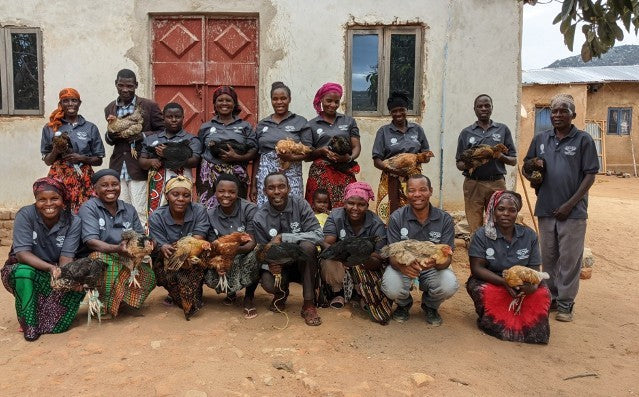
Three poultry seminars were conducted in the Magubike and Mkungugu villages. 90 chickens were distributed to 90 group members to improve nutrition and household income. In the Mbuga village, one group collected 150 eggs and donated them to children attending a local health clinic, which directly supports child nutrition in the community.
Here is a picture of a group holding their chickens.
Health Education and Community Savings
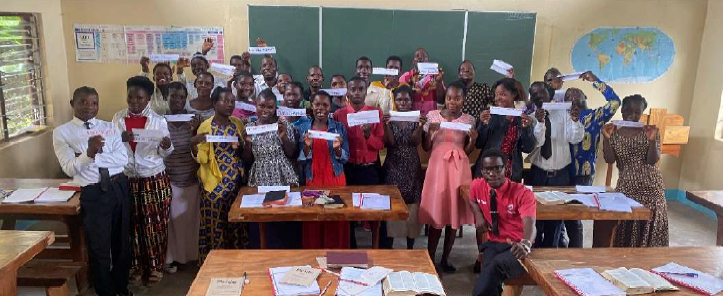
Health seminars are conducted to teach newly formed groups about hygiene, nutrition, breastfeeding, and environmental conservation. Several Village Community Bank (VICOBA) groups also successfully completed their savings rounds and leadership training sessions.
A general members’ meeting brought together 150 participants to evaluate the project’s progress and to outline a plan.
Growing Community Savings Through VICOBA
Village Community Banks play an important role in empowering families economically. These savings programs enable families to access loans, invest in agriculture and small businesses, improve housing, and support education expenses.
Impact Stories
The most meaningful measure of success comes from the testimonies of community members whose lives are changing because of the project. One participant shared,
I managed to grow tomatoes on a quarter-acre through loans and the crop has helped improve my life.
Another beneficiary explained how savings and loans helped expand agricultural land and increase household income. Others described renovating their homes and gaining new ideas through group collaboration.
These stories reflect the growing confidence, resilience, and hope within communities.
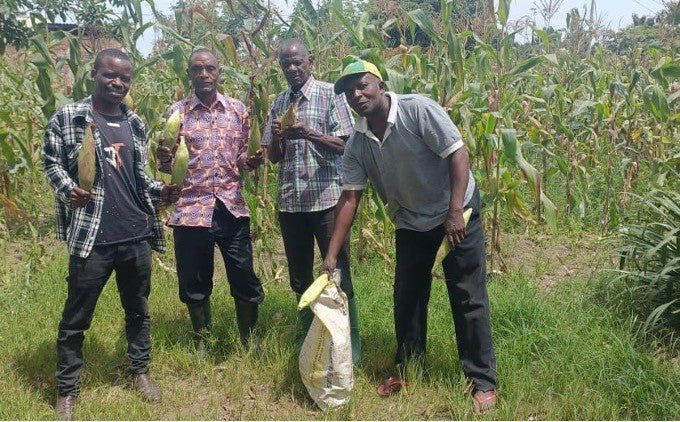
Here is a picture of two people holding tomatoes that have been harvested.

Challenges and Continued Support
Like many community-based programs, the project faces ongoing challenges, including:
- Difficulty in understanding health lessons among some community members, especially older adults
- Conflicts arising within newly formed groups
- Delays from community leadership during project introductions
- Low honey production caused by livestock disturbing bee migration patterns
To address these issues, the project team will continue to provide refresher health training, leadership support, conflict resolution seminars, and improved beekeeping strategies.
Looking Ahead
In the coming year, the project aims to:
- Form additional community groups
- Expand participation to at least 250 people in upcoming group meetings
- Introduce new economic activities in groups formed during 2025
- Continue strengthening health education and environmental initiatives
Thank You
The progress achieved so far would not be possible without the generosity and partnership of donors, churches, and supporters who continue to invest in rural communities in Tanzania. Your support is helping families improve their health, strengthen livelihoods, and create lasting changes for future generations.

Leave a comment
All comments are moderated before being published.
This site is protected by hCaptcha and the hCaptcha Privacy Policy and Terms of Service apply.