
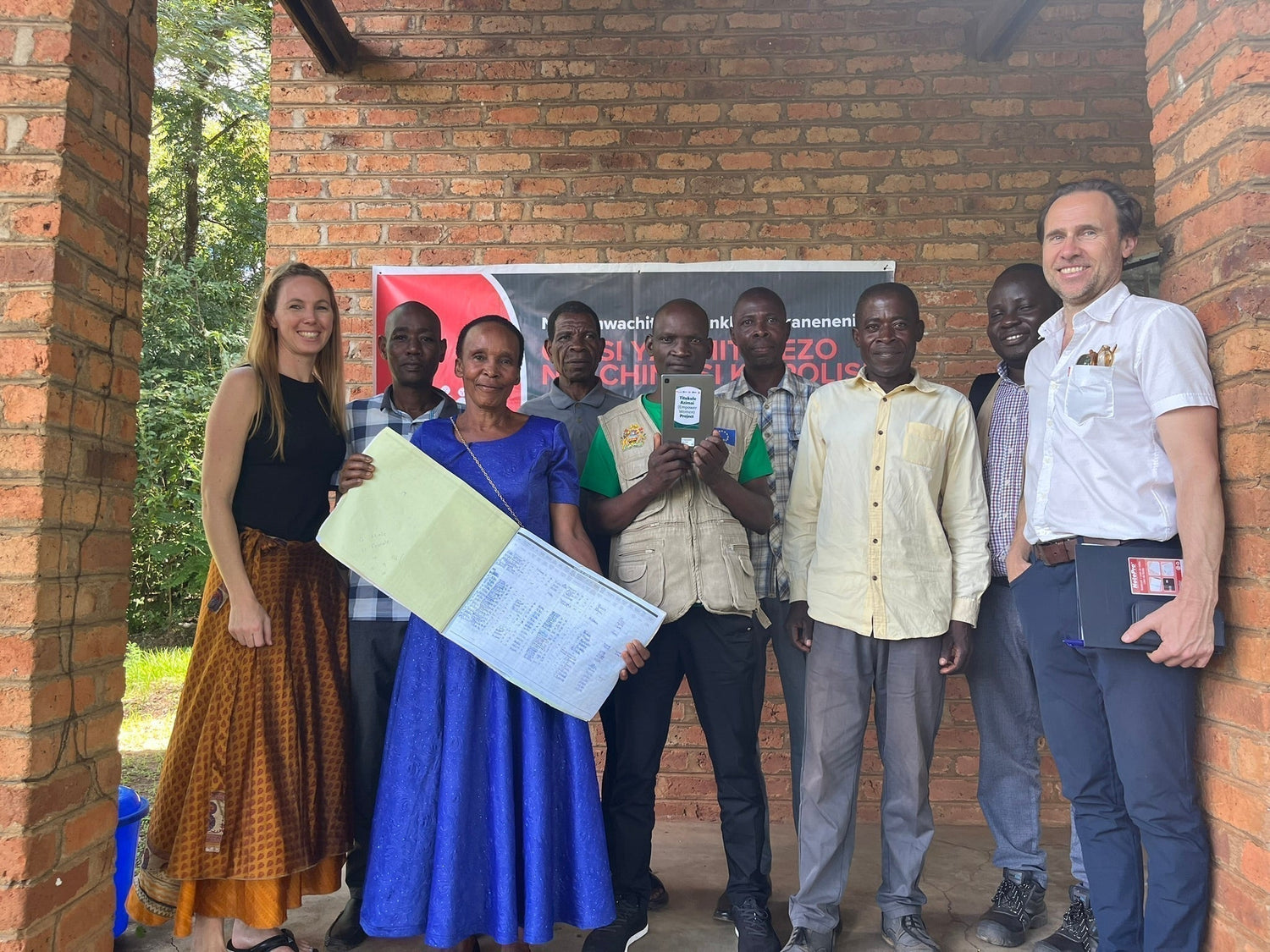
Joella Reitsma, Project Grants Manager of the Titukule Azimai project in Malawi, recently visited the project to interact and see the progress of the project, she reports the following.
On my recent trip to Malawi, one of the most meaningful moments was sitting with women in their own villages and hearing their stories firsthand.
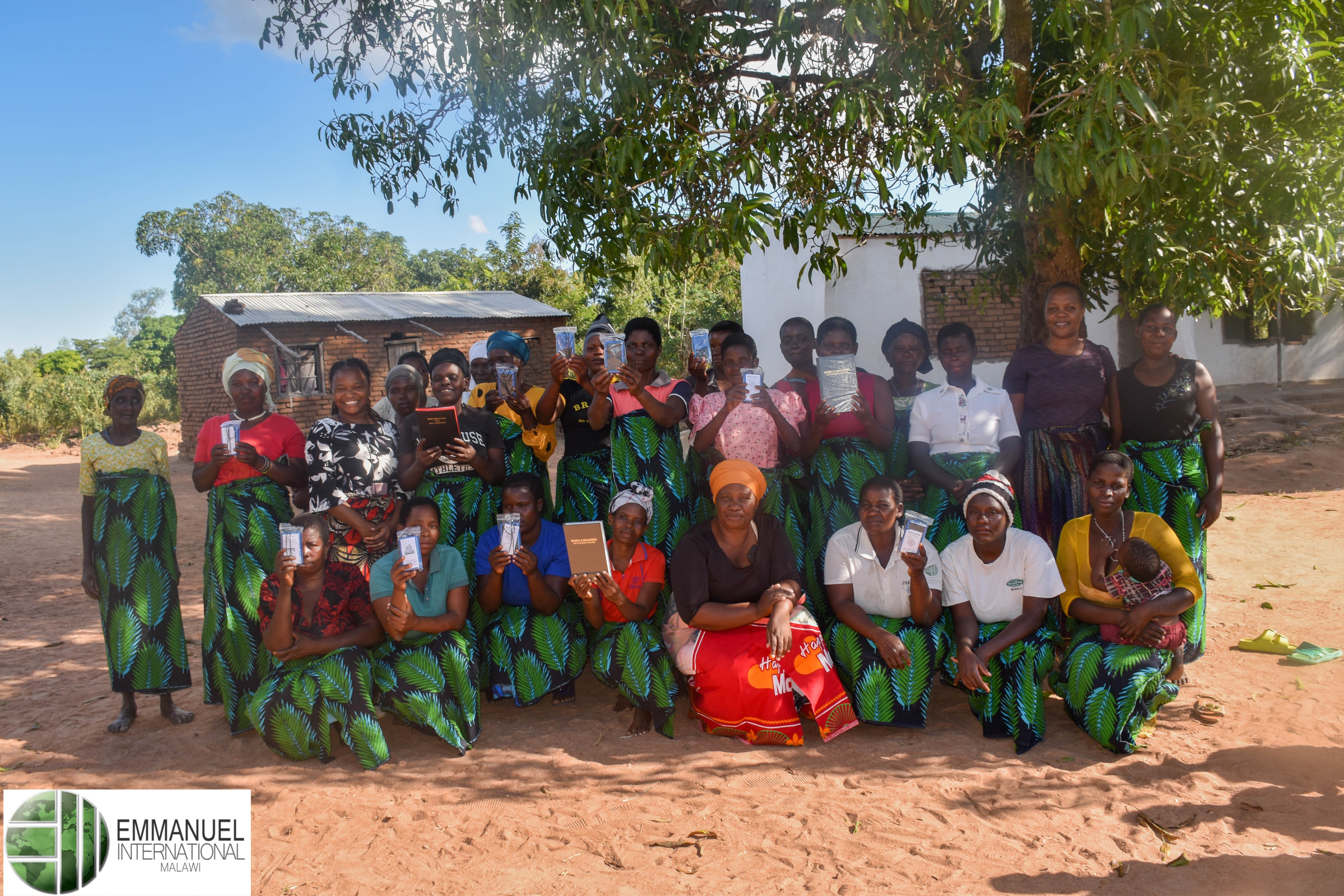
These were not polished presentations or formal reports. They were honest testimonies shared under trees, outside homes, and in the places where daily life happens. Women spoke about what it has meant to be part of a Village Savings and Loan (VSL) Group and to receive financial and business training through the Titukule Azimai - Empower Women - Project with Emmanuel International Malawi (EIM) and Emmanuel International Canada (EIC).
We heard that some of these VSL groups existed before Emmanuel International became involved, but they were often unsuccessful. Women had the desire to work hard and support their families, but many lacked the financial literacy, business training, and market knowledge needed to turn small loans into sustainable income. Through the project, women are now learning how to manage savings, invest wisely, choose businesses that are not already oversaturated in the local market, and grow their income over time.
The difference has been remarkable.
We heard story after story from women who are now able to provide for their families in ways they could never. Some are paying school fees for their children. Others are buying everyday essentials like soap, rice, maize, and sugar. Many are growing small businesses, from soap making to selling clothes, raising chickens, and running other income-generating activities.
One woman shared,
After joining the VSL and learning how to do business, I have benefitted and am now able to provide school fees for my child. For this, I am very grateful.
That gratitude was something we heard again and again. But what stood out just as much was the pride. Women were eager to show us what they had built. They showed us their soap-making businesses, their chickens, their clothes, their bags of maize and sugar. These were not just products or small enterprises. They were signs of confidence, dignity, and hope.

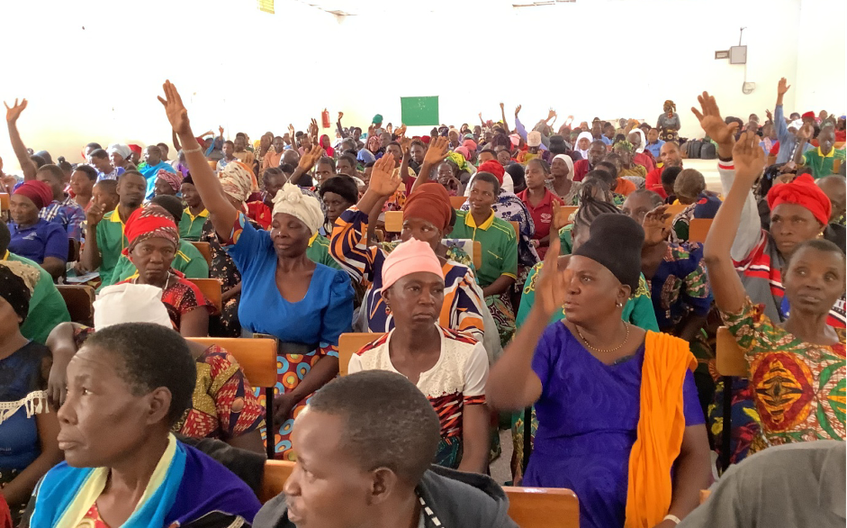
We also spoke with Gender Champions and heard firsthand how excited and committed they are to the project. As part of this project, EI Malawi and CAVWOC (Centre for Alternatives for Victimized Women) are helping women in the communities create messages that challenge harmful norms and perceptions surrounding sexual and gender-based violence. These messages are created with the women themselves, rooted in their own communities, and designed to encourage awareness, change attitudes, and help prevent violence.

We also saw how the project is strengthening protection and support for survivors of gender and sexual violence. Typically, cases of abuse are written by hand in notebooks and physically carried by bicycle from one village to another. Along the way, information could be delayed, damaged, or lost. Follow-up is difficult, and cases could fall through the cracks.
Now, through the Digital Referral and Reporting System instituted by the project, cases can be entered into an Android phone app and shared with the people responsible for responding — including community victim support units, police, social workers, and case workers. This means cases can be tracked, followed up, and responded in a more coordinated and timelier way.

We also had the opportunity to meet with government officials who are actively involved in the project and deeply supportive of its goals. Their commitment matters, because lasting change requires strong community leadership, government support, and trusted local partnerships working together.
What we saw in Malawi was more than a project on paper. We saw women gaining the tools to support their families. We saw survivors being connected to better systems of care. We saw communities beginning to shift. And we saw the incredible courage and determination of women who are not only rebuilding their own lives but helping shape a stronger future for their children and their villages.
This is the impact of the Empower Women Project. And it is a privilege to witness it.

Leave a comment
All comments are moderated before being published.
This site is protected by hCaptcha and the hCaptcha Privacy Policy and Terms of Service apply.